Ethiopia’s skyline is a testament to ambition, a dynamic silhouette of cranes and rising structures that speaks to a nation building its future. Within this vibrant construction ecosystem, efficiency isn’t just a luxury; it’s a critical determinant of success. Enter the concrete self loading mixer, a remarkable piece of mobile technology that promises to untether contractors from fixed batching plants and labor-intensive methods. For business owners and project managers poised to invest, understanding the nuanced price landscape for these machines is the essential first step toward making an empowered, strategic decision.
Deconstructing the Price Spectrum: From Entry-Level to Industrial Grade
The market for self-loading mixers in Ethiopia is not monolithic. It presents a clear stratification that correlates directly with capability, robustness, and origin. Prices can span a surprisingly wide range, and knowing where a model sits within this continuum is paramount.
The Compact Contender: Exploring the Entry-Point Range
At the most accessible end, you will find compact, often newer-market models, typically with mixing capacities around 0.5 to 0.75 cubic meters per batch. These units, frequently originating from certain Asian manufacturing hubs, serve as an introductory point. They are designed for smaller-scale projects, rural road initiatives, or homestead construction. The price for these entry-level machines can start from a point roughly equivalent to ETB 1.8 million to ETB 2.8 million. They represent a foundational step into mechanized, on-site batching.
The Established Workhorse: The Mid-Range Market Sweet Spot
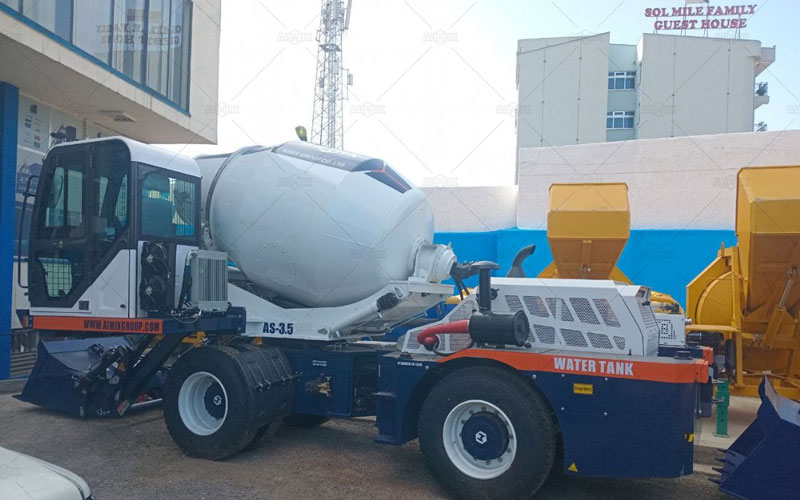
The most active and competitive segment revolves around the standard 1-cubic-meter mixing capacity models. These are the veritable workhorses, offering an ideal balance of output, mobility, and price. This category includes proven brands that have established a footprint in East Africa, known for their mechanical reliability. Here, price is a function of build quality, component provenance (e.g., renowned diesel engines, robust hydraulic pumps), and brand recognition. You can expect a serious investment in the range of ETB 3.5 million to ETB 5.5 million for a robust, well-specified 1-cubic-meter self-loader. This tier is where most growing contracting businesses find their optimal value proposition.
The Premium Performance Tier: High-Capacity and Advanced-Feature Machines
For large-scale commercial projects, infrastructure development, or ready-mix suppliers, the high-capacity models enter the conversation. These machines, with capacities of 1.5 cubic meters or more, boast heavier chassis, more powerful engines, and often incorporate advanced features like four-wheel drive, precise water metering systems, and sophisticated operator interfaces. Representing the apex of this technology, often from European engineering houses, their concrete mixer price in Ethiopia ascend accordingly, easily reaching ETB 7 million and beyond. This is an investment in maximum productivity and long-term industrial duty.
The Variables that Dictate Cost: A Granular Analysis
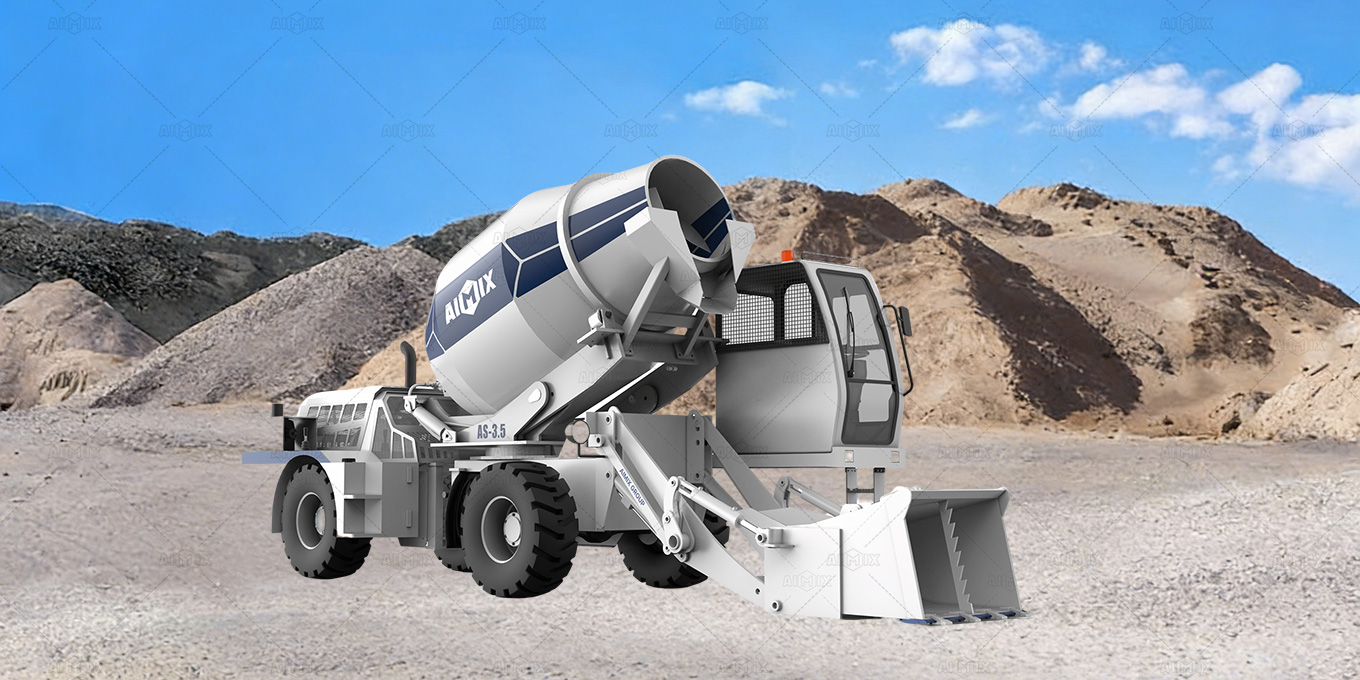
Why does such a dramatic price range exist? Several intertwined factors are in play. Capacity and Output form the non-negotiable core; a larger drum and a more powerful aggregate loader command a higher base cost. The Origin and Brand Equity of the machine carries immense weight. A mini cement mixer machine from a manufacturer with a decades-long legacy of engineering and a global spare parts network inherently commands a premium over a generic counterpart. This premium is often an investment in predictable performance and longevity. Furthermore, the Feature Set and Component Quality critically influence the final figure. A machine with a standard mechanical transmission will sit at a different point than one with a full hydrostatic drive system for smoother operation. The choice of a premium-brand hydraulic system versus a generic one, the inclusion of a cabin, or the quality of the welding and steel plate—all these granular details aggregate to form the total price.
The Total Cost of Ownership: Looking Beyond the Sticker Price
An enthusiastic yet analytical buyer must perform a total cost of ownership (TCO) analysis. The initial purchase price is merely the first chapter. For imported units—which constitute the majority—you must diligently factor in freight, insurance, and crucially, Ethiopia’s import duties and taxes. A reputable local dealer’s price may seem higher, but it often consolidates these complexities and, more importantly, includes the invaluable after-sales support mandate: reliable service, a local parts inventory, and operator training. Operational economics over the machine’s lifespan are decisive. A slightly cheaper machine with poor fuel efficiency or a propensity for costly breakdowns can become a financial sinkhole. Conversely, a higher initial investment in a durable, fuel-optimized model with high availability translates to lower cost per cubic meter of concrete produced over its lifetime, a far more meaningful metric.
Strategic Acquisition: Aligning Investment with Ambition
The final step is synthesis. This investment must be a strategic lever for your business growth. Conduct a sober pragmatic needs analysis of your typical project scale, site conditions, and concrete output requirements. There is little sense in over-specifying for capacity you will never use, or under-equipping and facing constant limitations. Consider the machine’s resale value and market liquidity; established brands tend to hold their value better in the secondary market. Finally, explore the procurement pathways available, from outright purchase to structured financing or leasing options that align with your cash flow. By understanding the price range not as a barrier but as a map of possibilities, you can position your business to harness the transformative efficiency of a self-loading large concrete mixer for sale, pouring the foundation for your next major project and for the continued ascent of your enterprise.